Reviewed · TOURS
Makkah: Jabal Al-Nour, Cave Hira, and Mount Arafat Tour
Makkah is interesting in a way many cities are not. In one 4-hour outing, you connect the big Hajj landmarks of Arafat, Muzdalifah, and Mina with the spiritual origins linked to Jabal Al-Nour and Hira Cave. That mix makes it easier to understand why Makkah matters, not just where it is.
I especially like Mohammed Alharbi’s storytelling style. He keeps a calm, un-rushed pace, and he’s the kind of guide who answers questions without making you feel like you’re slowing things down. The second thing I love is how he ties each stop to relevant Qur’an and hadith, using both English and Arabic so the meaning lands clearly.
One possible drawback: this is a short loop. If you’re sensitive to heat or you need lots of breaks, the walking at sites like Hira and Thawr can feel like a lot in a half day.
Key takeaways before you go
- Mohammed Alharbi’s patient bilingual guidance in English and Arabic makes the religious meaning easier to follow
- Hajj rhythm in miniature, with Arafat, Muzdalifah, and Mina covered in one compact visit
- Jabal Al-Nour and Cave Hira context, supported by the Hira Cultural Museum stop
- Cave Thawr storytelling, focused on the moment of refuge during the migration
- Meaningful stops beyond viewpoints, with museum time and historical explanations, not just photos
- Practical comfort touches like water or juice, plus hospitality surprises reported on some days
How this 4-hour Makkah tour ties together early revelation and Hajj rites
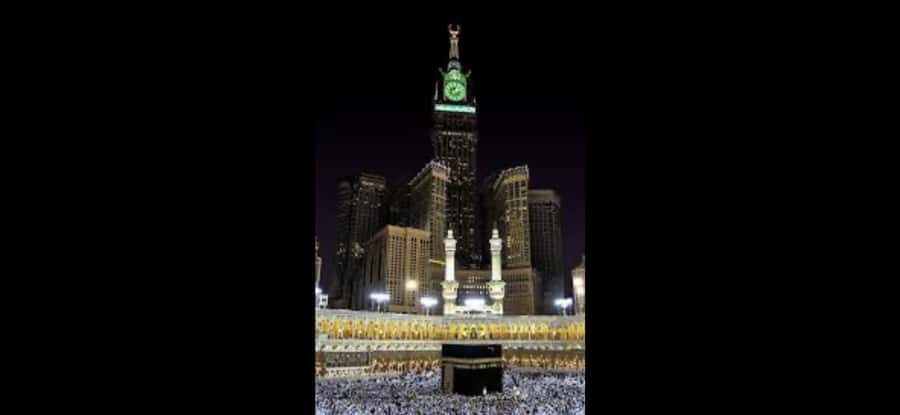
This tour feels like it has two “time periods” running at once. One thread takes you to the early story connected with Jabal Al-Nour and Hira Cave, often described as the setting for the first revelation. The other thread walks you through the Hajj journey, where pilgrims focus on standing at Arafat and then moving through Muzdalifah and Mina.
That pairing is what makes the outing more satisfying than a grab-bag of monuments. You start to see Makkah as a living geography, where faith, practice, and memory overlap in the same region. And because you’re with a guide, the route makes sense instead of feeling random.
Shaping a Mecca stay? Look these over:
- Makkah: Experience the Life of the Prophet in Makkah
★ 4.9 · 22 reviews - From Mecca to Taif Mountains Day Trip
★ 5.0 · 6 reviews - Mecca: Holy Sites Private Tour
★ 4.5 · 3 reviews
Meeting Mohammed Alharbi: bilingual clarity and a pace that respects your energy
You’ll likely feel the difference quickly. The guide is described as highly communicative ahead of pickup, and once you’re together, he works hard to keep the schedule smooth without rushing people.
In the strongest comments from guests, Mohammed is repeatedly praised for being patient and personable. He gives ample time at each stop, explains with clear storytelling, and uses a sound system at times to support the narrative. If you’re tired, that attention to pace matters, because this kind of spiritual sightseeing can feel intense even when you enjoy it.
What I also like is that the experience is not only facts on a clipboard. Mohammed connects locations to meaningful passages, including Qur’an and hadith when relevant. He’ll also tailor the language flow, since the tour is bilingual, English and Arabic.
Practical note: your pickup point can vary based on traffic around Alharam. If you arrive early, you’ll have an easier time finding the right spot without stress.
Mount Arafat: why the guide time here feels more important than the photo time
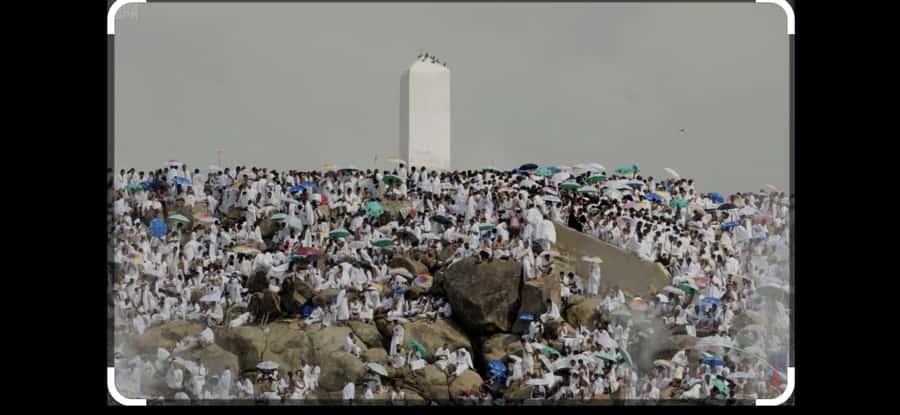
The highlight start for most departures is time at Mount Arafat, with a guided visit of about one hour. That’s the key anchor of the Hajj journey, because the central rite involves pilgrims standing at Arafat during the day.
In a short tour, one hour can sound brief, but it’s enough to learn what to notice. I’d focus on the big idea first: Arafat represents a moment of standing and reflection that anchors the whole Hajj sequence. When a guide connects the meaning to the geography, you stop treating it like just another scenic stop.
Also, expect the guide to guide your attention. You’re not just looking around. You’re learning why this plain, open space carries such emotional weight for pilgrims. A good guide helps you feel the “why” before you worry about getting the shot.
A consideration: prayer times may affect the tour schedule. If your timing is tight, build in flexibility so the guide can protect the flow of the day.
Muzdalifah and Mina: the pilgrimage rhythm after Arafat
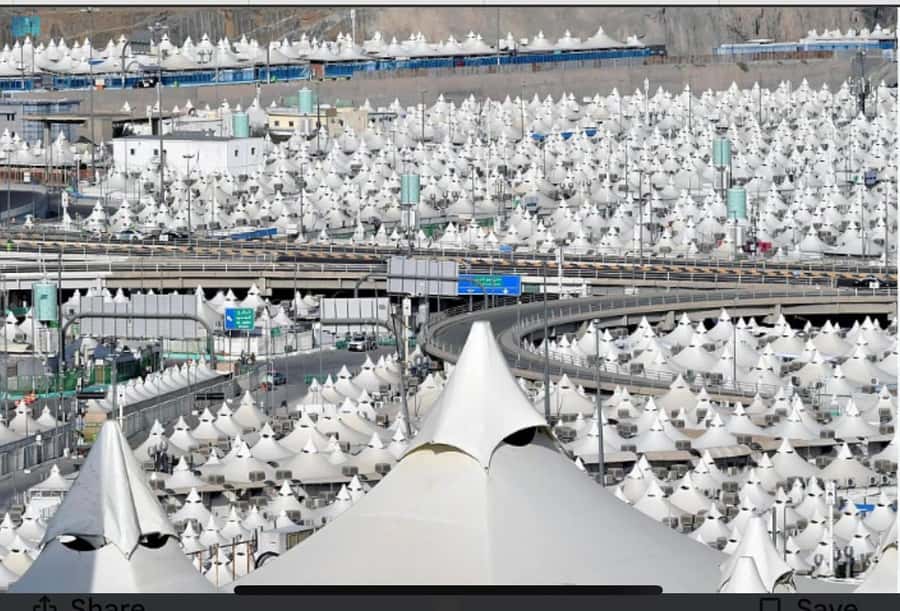
After Arafat, the tour covers the next steps of the Hajj journey: Muzdalifah and Mina. These are not the easiest places to describe quickly, but a guided explanation makes them click.
Muzdalifah is where pilgrims rest after Arafat before heading toward Mina. In other words, it’s the transition point, when the focus shifts from standing to moving forward and preparing for the next rite.
Mina is known for the symbolic stoning of the devil. Even if you’ve read about it before, seeing how it fits into the sequence helps you understand the ritual as a journey rather than isolated events.
One thing to keep in mind is that in a half-day plan, the stops can be “meaningful but time-limited.” If you want deep free time at every location, you may prefer a longer tour day. But if you want a fast, guided overview that helps you make sense of the whole Hajj geography, this is built for that.
Jabal Al-Nour and Cave Hira: where the spiritual story gets physical
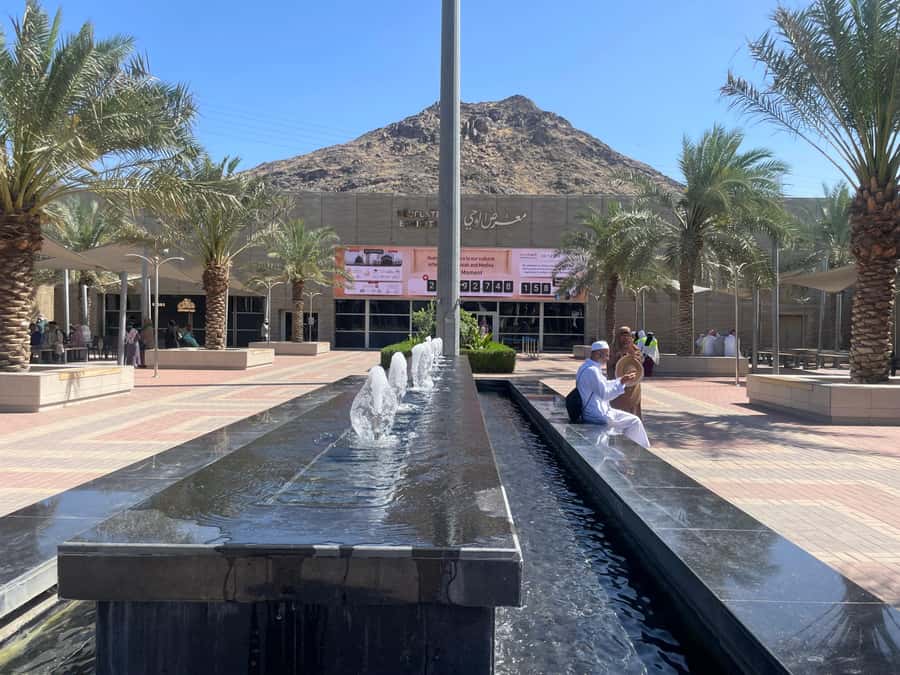
Jabal Al-Nour and Cave Hira are the reason many people book this tour in the first place. The big promise here is the connection to the first revelation linked to Prophet Muhammad (PBUH).
What I like about visiting this area with a guide is that you get orientation fast. The mountain setting can look dramatic from the outside, but the guide explains why it matters spiritually and historically. Without that, you can end up treating it like another viewpoint and miss the point.
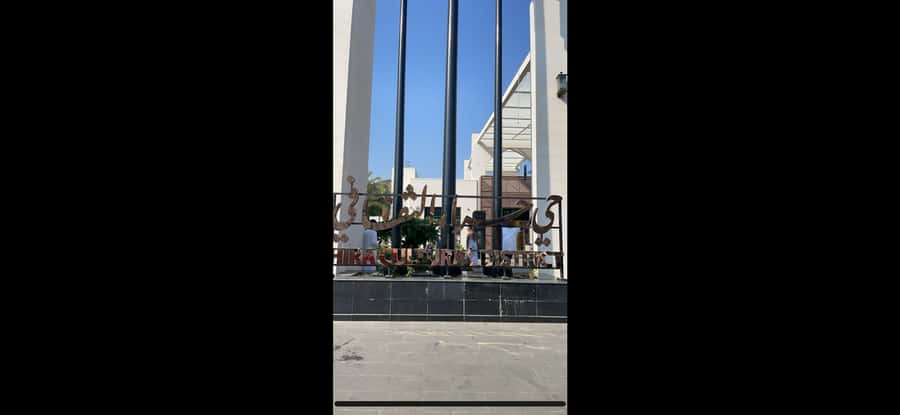
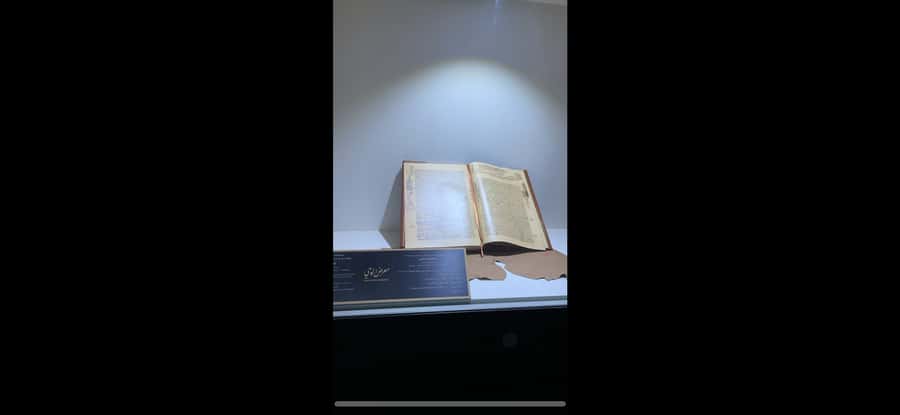
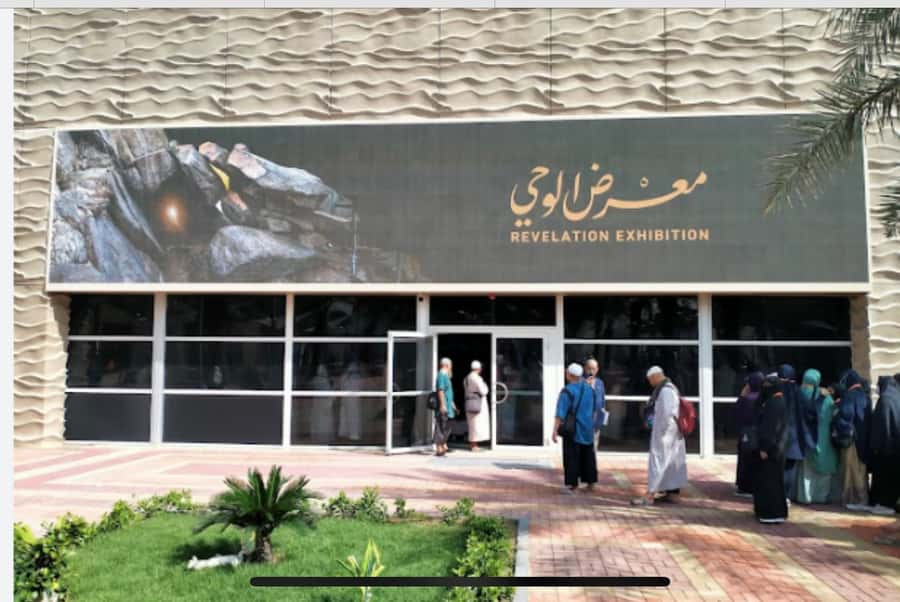
The route also includes the Hira Cultural Museum. That matters because it adds context, so you’re not relying only on what you already know. A museum stop can feel optional on tours, but here it supports the story by giving you artifacts and structured explanations that you can carry with you outside.
Practical reality check: this is religious terrain. Comfortable shoes are not optional. Even if the walking doesn’t look extreme, the ground and steps can be tiring, especially in bright weather.
Cave Thawr at Jabal Thawr: refuge that changes the way you read the city
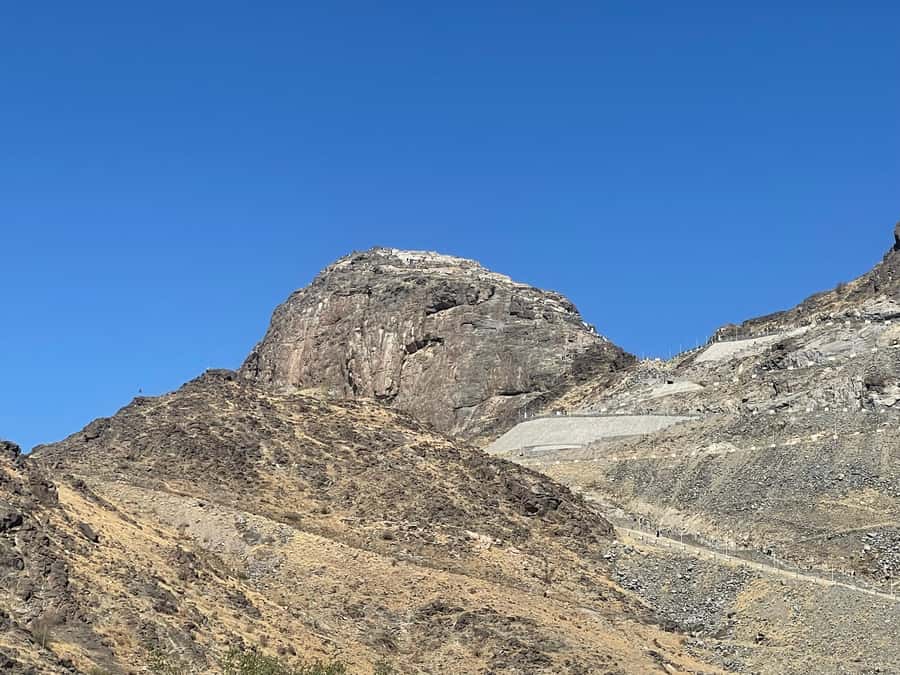
Cave Thawr is described as the place where Prophet Muhammad (PBUH) and his companion Abu Bakr (RA) hid from enemies during the migration to Madinah. That detail gives the stop a different emotional tone than a pure sightseeing stop.
When you visit with a guide who’s good at storytelling, you start to see why this part of Makkah stays in the religious memory. It’s not only about a cave in a mountain. It’s about how trust, endurance, and planning shaped the earliest journey.
In the best experiences shared, Mohammed doesn’t just point at a location. He frames the moment in a way that connects back to the broader Makkah story you’re building across the day. And because he uses Qur’an and hadith references when relevant, the connection feels more direct.
If you’re sensitive to crowds, timing and comfort can matter. This tour is private group, which generally helps you avoid the chaos of joining larger groups. Still, expect the area to be active.
Makkah Museum and the Hira Cultural Museum: making artifacts do the heavy lifting
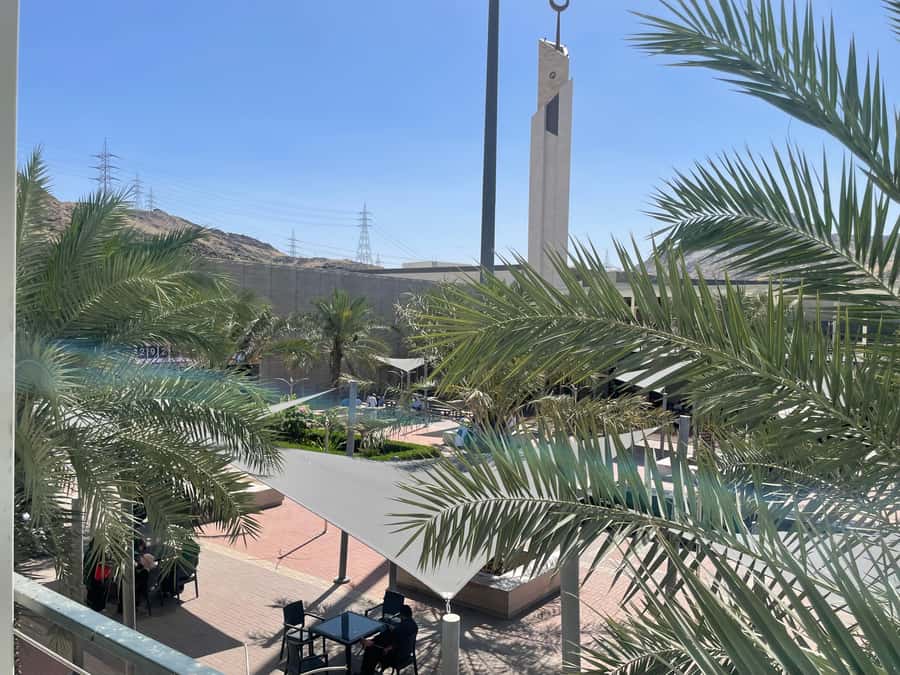
This tour isn’t only about outdoor stops. It includes visits tied to the Makkah Museum and the Hira Cultural Museum, and that’s a smart choice for first-timers.
Museums give you two advantages. First, they compress a lot of background information into something you can process quickly. Second, they help you recognize what you’re seeing in real time, especially when the geography is connected to many chapters of faith.
Some guests mention extra hospitality during museum-related moments, like Saudi coffee and sukari dates with tahini sauce on traditional Arabic seating. That’s not something you should treat as guaranteed every day, but it does match the kind of personal touch guests remember from Mohammed’s guiding style.
There’s also mention of discounted tickets to exhibitions at Al-Quran and Wahi museums via the guide during at least some experiences. Since tickets are not listed as included in the base tour details you’re given, I’d treat that as a helpful bonus if it applies on your day. Ask your guide what museum ticket options are available at pickup or when you arrive.
The $125 price: what you’re really paying for and what to watch
At $125 per person, the value comes from the structure. You get hotel pickup and drop-off in Makkah, transportation between stops, and a bilingual guide. You also get water and juice refreshments, plus historical storytelling built into the schedule.
For a half-day private tour, that’s a fair setup if you care about meaning and not just movement. If you tried to DIY this route, you’d still pay for transport, time, and likely a guide or audio explanation to understand the context.
What’s not included matters too. Meals and tickets are not included. If you plan to spend time at museums or exhibitions that charge admission, budget for that separately.
Also, tickets can be the difference between a good day and a frustrating one if you assume everything is covered. Before you go, double-check what admission fees apply on your travel dates and keep cashless payment options handy if the site supports them.
What to bring and how to dress for this sacred-mountain route
Plan for sunlight, uneven walking, and simple rules. Dress modestly, covering shoulders and knees. Bring a valid photo ID. And wear comfortable shoes, because the stops you came for can involve steps and short climbs.
You’ll also want a hat, sunscreen, and a camera. Even if you take fewer photos than you expect, the lighting can be perfect for quiet moments.
Not allowed: smoking. It’s a small rule, but it keeps the experience respectful and comfortable for everyone.
Finally, arrive about 15 minutes before the tour starts. Since pickup points can shift based on traffic around Alharam, being early helps you avoid last-minute confusion.
Who this tour is best for, and who might want a different plan
This tour is a great fit if you want a guided, faith-focused overview without spending your entire day driving or searching. It suits couples and families who want someone local, like Mohammed Alharbi, to stitch the story together.
It’s also ideal if you’re visiting Makkah for a short stay and want the geography connected in one loop. The private group setup helps you ask questions and set a comfortable pace.
One important consideration is mobility. The details provided say wheelchair accessible, yet they also say it’s not suitable for people with mobility impairments. If you fall into that category, don’t assume it’s an easy walk. Ask specifically about walking distance, steps at stops like Hira and Thawr, and whether the route can be adjusted for your needs.
If you have very limited time and want the Hajj milestones plus the revelation story, this is efficient. If you’re looking for a long, slow, sit-down experience at each site, you may feel the schedule is tight.
Should you book this Makkah: Jabal Al-Nour, Cave Hira, and Mount Arafat tour?
I’d book it if your goal is understanding, not just checking boxes. The strongest reason is the guide. Mohammed Alharbi’s mix of clear bilingual storytelling, patient pacing, and Qur’an and hadith connections makes the stops feel purposeful.
I’d think twice if you know you get worn out easily in heat or you need lots of downtime. This is a short 4-hour window, and sacred-mountain areas are rarely a leisurely stroll.
If you want a meaningful introduction to Makkah that connects the Hajj journey with the story of Hira and Thawr, this tour offers a good value. Bring your comfortable shoes, arrive early, and let the guide do the explaining.
FAQ
How long is the tour?
The tour duration is 4 hours.
What stops does this tour include?
It includes Mount Arafat, the Hajj journey stops of Muzdalifah and Mina, Jabal Al-Nour and Cave Hira, Jabal Thawr and Cave Thawr, plus visits connected to the Makkah Museum and the Hira Cultural Museum.
Is hotel pickup and drop-off included?
Yes, hotel pickup and drop-off are included.
Are meals and tickets included in the price?
Meals are not included, and tickets are also not included.
What languages does the guide speak?
The guide provides a live tour in English and Arabic.
What should I bring and how should I dress?
Bring comfortable shoes, a hat, a camera, and sunscreen. Dress modestly, covering shoulders and knees, and bring a valid photo ID.
Is smoking allowed?
No, smoking is not allowed.
Is the tour wheelchair accessible or suitable for mobility impairments?
The activity is described as wheelchair accessible, but it also states it is not suitable for people with mobility impairments. If mobility is a concern for you, it’s worth planning for walking and steps at the stops and discussing your needs with the operator.
Just added around Mecca
- Mecca: Holy Sites Private Tour★ 4.5 · 3 reviews
- From Mecca to Taif Mountains Day Trip★ 5.0 · 6 reviews
- Makkah: Experience the Life of the Prophet in Makkah★ 4.9 · 22 reviews
Tours, compared.
Edge of The World with dinner & Campsite Shared Tour
Read our review →
Madinah Culture & History Tour – Led by Local Guide
Read our review →