
Reviewed · HEGRA & HERITAGE TOURS
Madina: Guided Tour of the City’s Historical Sights
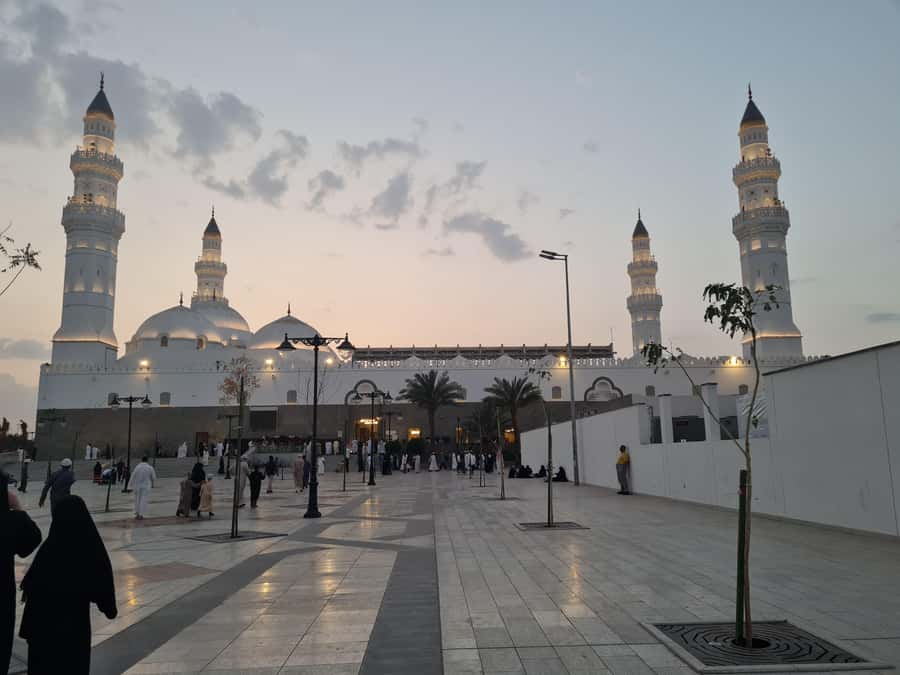
Medina feels different when you connect the mosques to the moments of early Islamic history. I like how this tour links Uhud and the War of Trench with specific prayer spots, then ties it all together with real place meaning, not just sightseeing. I also like that you can take part in guided duas, including at Masjid Fatha (the Seven Masajid). The main drawback to plan for is practical, not spiritual: you may spend time walking and standing in sun, and water can be limited during maintenance work at wells.
In practice, what makes the day smooth is the guide and the vehicle. Tours are led by guides such as Uzair, who bring clear explanations in English and other languages, plus a respectful tone and careful driving. Bring your modest outfit and expect rules for entering holy areas, because Medina is serious about dress and behavior.
Key Reasons This Medina Tour Works Well
- Battle sites that make sense on the ground: Uhud and Ghazwa Khandaq are more than names once you stand where the events happened.
- Prayer stops built into the route: Masjid Fatha (Seven Masajid), Masjid Qibalatain, Jumah, and Quba are all part of the flow.
- Specific wells and stories: Beer Ghars, Beer Al Khatm (the well where the ring fell), and the Salman Farsi Well and Farm add variety.
- Guide-led context and duas: You’ll be guided through spiritual moments, not just through checklists.
- Comfort-first logistics for a busy route: A comfortable, clean vehicle and safe driving help you cover a lot without feeling rushed in every stop.
The Big Idea: Why Medina’s History Feels Personal
This isn’t a tour that only shows monuments. It shows you why certain corners of Medina matter. The itinerary is built around the places tied to early struggles, plus the mosques that keep those stories alive through prayer.
I find that blend is what makes the day click. You start at important sites for worship, then shift to battlefield landmarks like Uhud and the Trench, and finally return to prayer-focused stops like Quba. When you do that in one route, the city becomes a connected map in your head, not separate dots.
More Medina bookings to weigh
- Madinah Culture & History Tour – Led by Local Guide
★ 5.0 · 74 reviews - Experience Madinah’s Culture and Historical sights
★ 5.0 · 32 reviews - Prophet’s Mosque Walking Tour with Historic Hejaz Railway
★ 4.7 · 4 reviews
Getting Around: A Car Tour That Lets You See More
This is a guided tour with transportation, which matters in Medina. You’re covering multiple sites spread across the area, and the comfort of a vehicle helps you keep your energy for the stops that require standing, walking, or entering prayer spaces.
The vehicle is described as spotless and comfortable, and pickup and drop-off coordination is hassle free. That means less stress for you, especially if you’re traveling as a family group or with older relatives who still want to experience a full day.
One more practical point: it’s not a slow, minimal itinerary. You’re visiting many locations, so plan your day like you would for a busy sightseeing circuit. Wear shoes you can stand in and bring a hat, because the sun can be intense.
Masjid Imam Bukhari: Start With a Mosque Visit That Sets the Tone
The tour begins with Masjid Imam Bukhari. This is a smart way to start because it places you in the right mindset early. Instead of rushing straight to battlefield sites, you start with a mosque that has its own historical weight.
I like this approach for two reasons. First, it gives you a calm opening before the heavier stories of Uhud and Ghazwa Khandaq. Second, the mosque start helps you understand that these sites are not only for photos. They are for reflection and prayer, even if you’re just passing through some areas.
Before you go in, make sure you’re dressed appropriately for the city’s holy-site standards. Shorts and short skirts are not allowed, and clothing that’s see-through is also off limits.
Uhud: The Graves, the Mountains, and Masjid Shuhada
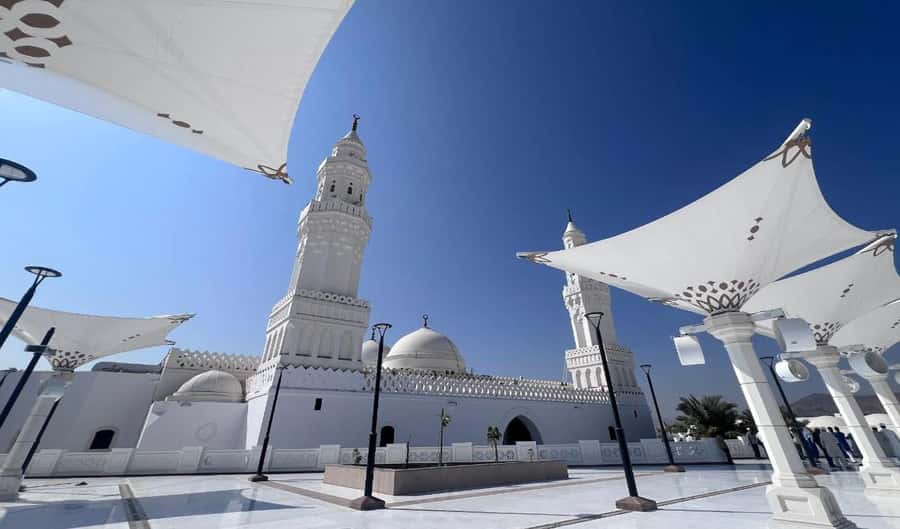
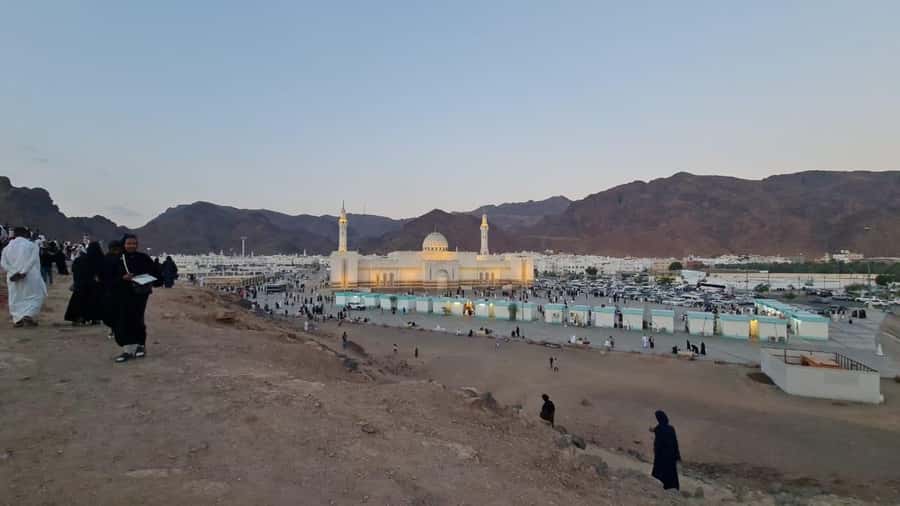
Next comes Uhud, where you see key battlefield locations and memorial sites. The tour focuses on areas connected to the graves of Hazrat Ameer Hamza, Musab Bin Umair, and other shuhada. It’s the kind of stop that changes how you look at the ground, because you’re not just seeing a hill. You’re visiting a remembrance place.
You also get views connected to Mount Uhud and Mount Rumah, plus Masjid Shuhada. What makes this part valuable is that the route is structured so you can connect these points instead of jumping randomly between them.
Practical tip for you here: don’t try to race through. Take a moment at each key marker, then let the guide connect the names and meanings. That is where the story becomes real instead of abstract.
When the Medina heat drops, try this:
- Al Madinah: City Sightseeing Hop-On Hop-Off Bus Tour
★ 3.9 · 148 reviews - Medina Unveiled Private Tour
★ 5.0 · 100 reviews - From Madinah: Half-Day Ziarah Tour
★ 4.9 · 59 reviews - City Sightseeing Al Madinah Hop-On Hop-Off Bus Tour
★ 3.0 · 50 reviews
Ghazwa Khandaq (The War of Trench) and the Seven Masajid
After Uhud, the tour moves to the War of Trench, also called Ghazwa Khandaq. This section adds several important stops tied to the trench area, including Masjid Fatha, Masjid Salman Farsi, and the Saba Masajid, which is also known as the Seven Masajid.
The itinerary includes dua at Masjid Fatha. If you want your day to feel spiritual, this is one of the strongest moments. A guided dua here is more than a ritual. It gives you a framework for understanding why these mosques exist in the first place, and why visiting them matters to many people.
I also like the way this section gives you variety. You’re not stuck at one single “main” place. You move across a group of sites, which helps you keep attention during a full day of history.
Masjid Qibalatain and Masjid Jumah: Two Meaningful Mosque Stops
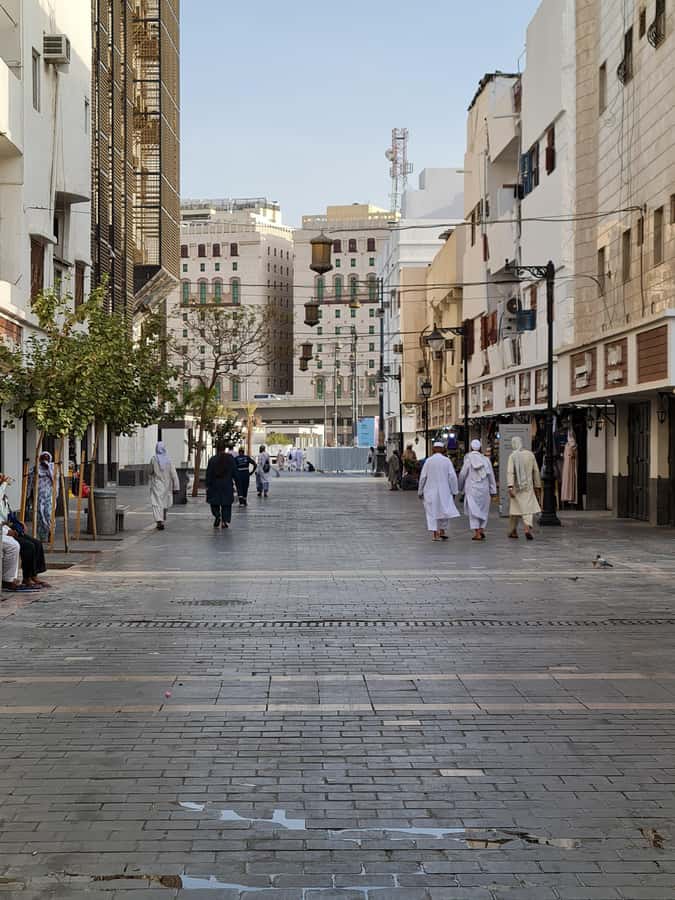
Then comes Masjid Qibalatain, followed by Masjid Jumah. These are both central to Medina’s religious geography, and they fit naturally after the battlefield and memorial areas.
Masjid Qibalatain is an essential stop for anyone who wants the story of direction, prayer, and religious identity tied to a physical location. You’re also visiting Masjid Jumah, which helps you broaden the day from battles and memorials into regular worship and community tradition.
A nice bonus in the plan is the House of Atban Bin Malik. You visit it from outside, so you’re not expecting an interior visit, but it helps you imagine the setting around the mosque life. The Imam of Masjid Juma is also referenced in the tour route, which ties the day’s story to leadership and worship.
Beer Ghars and Beer Al Khatm: Wells With Stories You Can Actually Picture
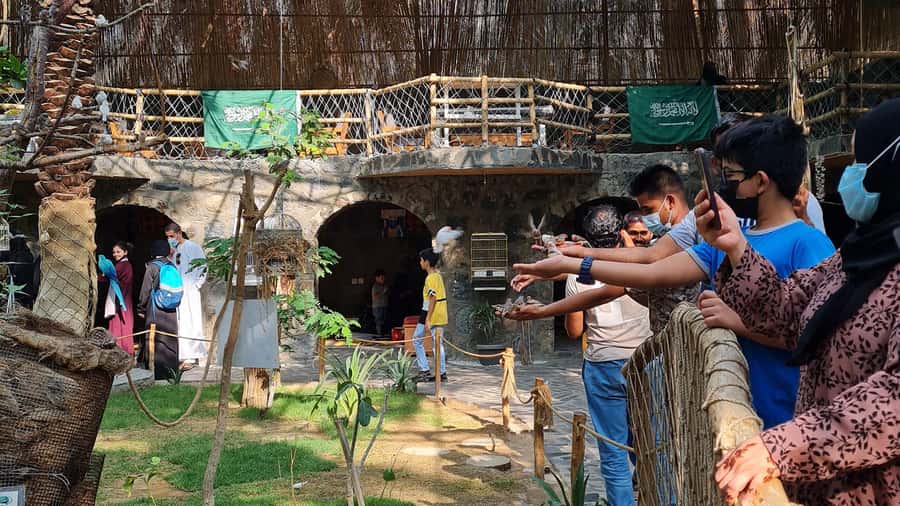
One of the most interesting parts of the tour is the focus on wells, not just buildings. You’ll visit Beer Ghars, described as the beloved well of Prophet Muhammad (SAW). You’ll also see Beer Al Khatm, the well where the ring fell.
I like these stops because they add something human-scale to history. Wells are simple objects, but the stories connected to them help you picture daily life and moments that people remember.
One caution for you: water at wells might be limited because of maintenance work. This matters because you’ll be spending time outdoors, and you’ll want to stay hydrated. Bring water with you when possible, and follow whatever guidance the guide gives on the day.
Salman Farsi Well and Farm, plus Museums Stops
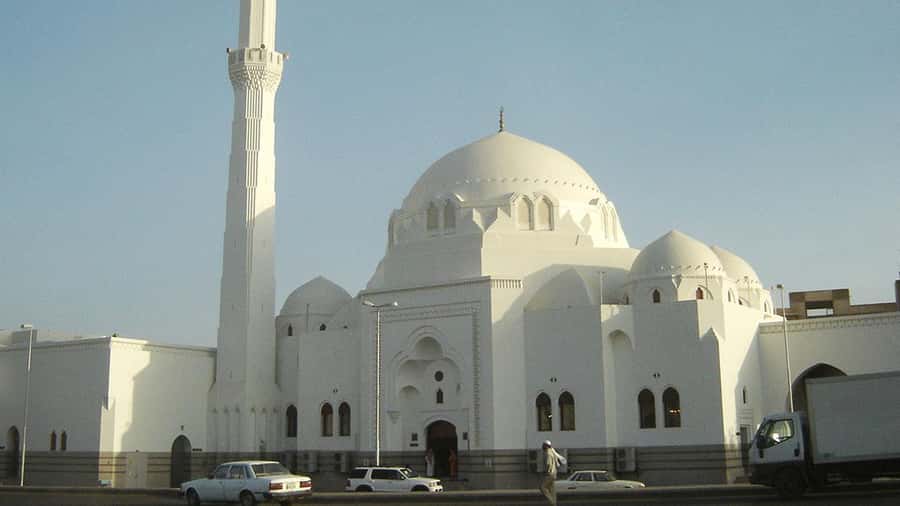
The tour also includes the Salman Farsi Well and Farm. This adds another layer beyond the battlefield story, bringing in the idea of care, service, and practical life.
You may also see the As Saffiyyah Museum and the International Fair and Museum as part of the route described. Even if you don’t spend long inside, it’s a useful way to connect historical sites with the modern presentation of culture and heritage.
If you like structure, this section gives you a rhythm: prayer areas first, then memorials, then daily-life anchors like wells and community spaces.
What the Guide Quality Changes About the Day
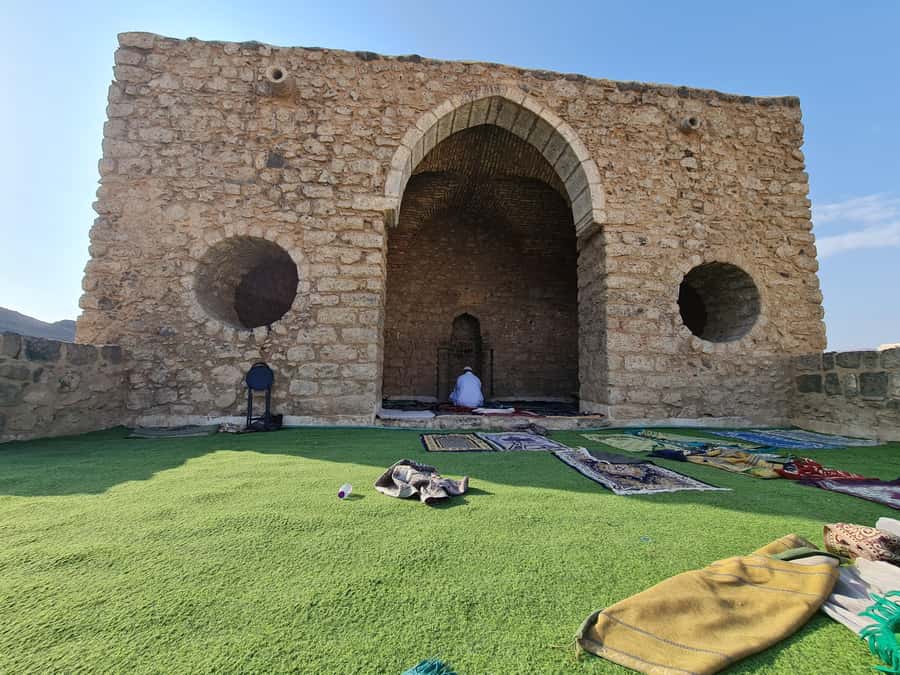
A major strength here is the guide experience. In the real world, the difference between a good tour and a great one is how someone explains the places and how they handle the human side of the day.
Guides such as Uzair are praised for deep respect, patience, and clear English explanations. People also highlight safe, careful driving and smooth pickup and drop-off coordination. There’s also mention of refreshments being provided during the tour.
That combination matters because you’re visiting spiritual sites with rules, and you want someone who keeps the group moving while still allowing time at each location.
If you value a guide who can answer questions and connect names like Hazrat Ameer Hamza and Musab Bin Umair to specific locations, this tour style fits well.
Dress and Rules in Medina: Plan These Before You Step Out
Since this is a holy city setting, the rules are not optional. For non Muslims, Medina requires modest behavior, and you’ll need to cover your hair with a cloth or hijab.
For women, the guidance says: if wearing shorts, tights, or jeans and T-shirts, you should wear an abaya. If you don’t have one, you can buy one from a shop, and it’s described as not expensive. For men, decent clothing is okay, but avoid shorts.
Also note what’s not allowed during the experience:
- Smoking
- Shorts
- Short skirts
- Alcoholic drinks in the vehicle
- See-through clothing
Bring a hat and sunscreen. You’ll also want comfortable shoes because even with a car, there are multiple stops, and you’ll likely stand and walk around.
Who This Tour Suits Best (and Who Might Want Another Option)
This is best for people who want a guided, structured day that hits the big Medina spiritual and historical landmarks in one loop. It’s especially a good fit if you:
- Want a mix of mosques, battlefield history, and wells
- Appreciate guided duas and respectful storytelling
- Prefer a comfortable vehicle and safe driving
- Travel with family and want an organized, simple plan
It’s not suitable for everyone. The tour is not suitable for pregnant women, and it’s also not suitable for people over 70 years. If that describes you, you’ll want to look for an alternative with less walking and a more flexible pace.
Price and Value: Is $99 Worth It?
The price is $99 per group, up to 4 people. That group pricing can be good value in Medina because you’re not paying per person individually for a multi-stop route.
The value is strongest if your group wants:
- Multiple major sites in one day
- A guide who explains meaning, not just locations
- Comfort and safety in transit
- Spiritual moments like dua at Masjid Fatha
If you’re traveling solo, it might feel less cost-effective because the price is per group size. But if you can fill a group of up to four, you’re essentially buying a single guided day with transportation rather than several separate tickets.
Also remember the practical costs you control: water, sunscreen, and modest clothing. Planning these helps you avoid stress during the day.
Should You Book This Medina Guided Tour?
Book it if you want a single, organized route that connects Masjid Imam Bukhari, the Uhud and Ghazwa Khandaq areas, Masjid Qibalatain, Masjid Jumah, Masjid Quba, and the well sites like Beer Ghars and Beer Al Khatm. You’ll get a respectful guide style, clear explanations in multiple languages, and a day that ties worship with early history.
Consider passing on this specific tour if you need a very light day, have mobility limitations, or if you fall into the non-suitable categories listed. Also take seriously the dress rules and the possibility of limited water at wells during maintenance.
If you’re ready for a full, meaningful route, this is the kind of Medina tour that helps the city stick in your memory, one place at a time.
FAQ
How much does the Medina guided tour cost?
The price is $99 per group, up to 4 people.
How many people can be in a group for this tour?
The tour pricing is for a group of up to 4 people.
What are the main sites included on the itinerary?
The tour includes Masjid Imam Bukhari, the Battle of Uhud sites, the Battle of Trench (Ghazwa Khandaq), Masjid Fatha (Seven Masajid), Masjid Qibalatain, Masjid Quba, Masjid Jumah and the house of Atban Bin Malik from outside, Beer Ghars, and the Salman Farsi Well and Farm.
Do you visit Masjid Nabvi on this tour?
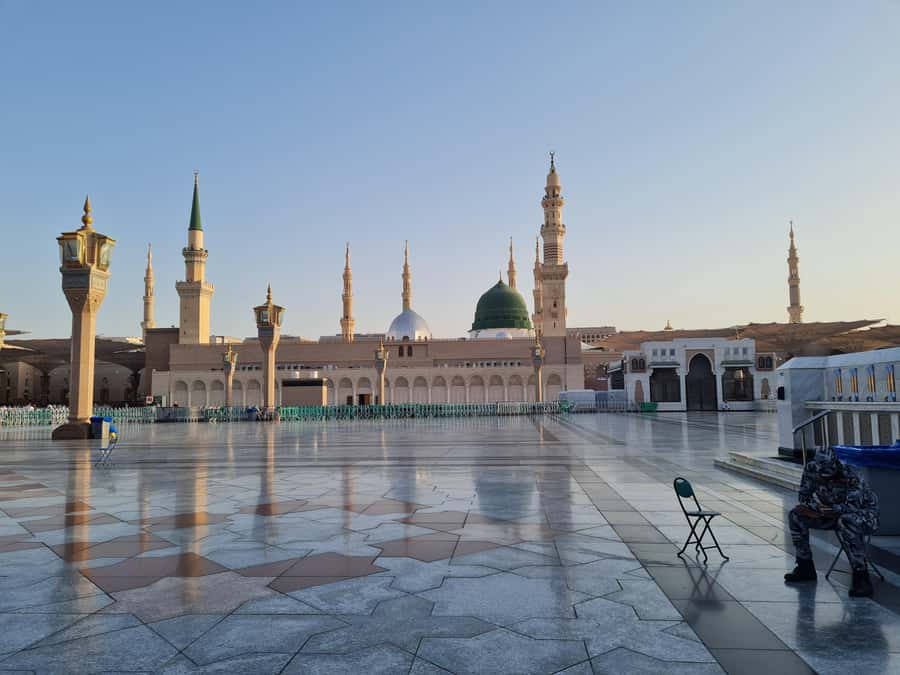
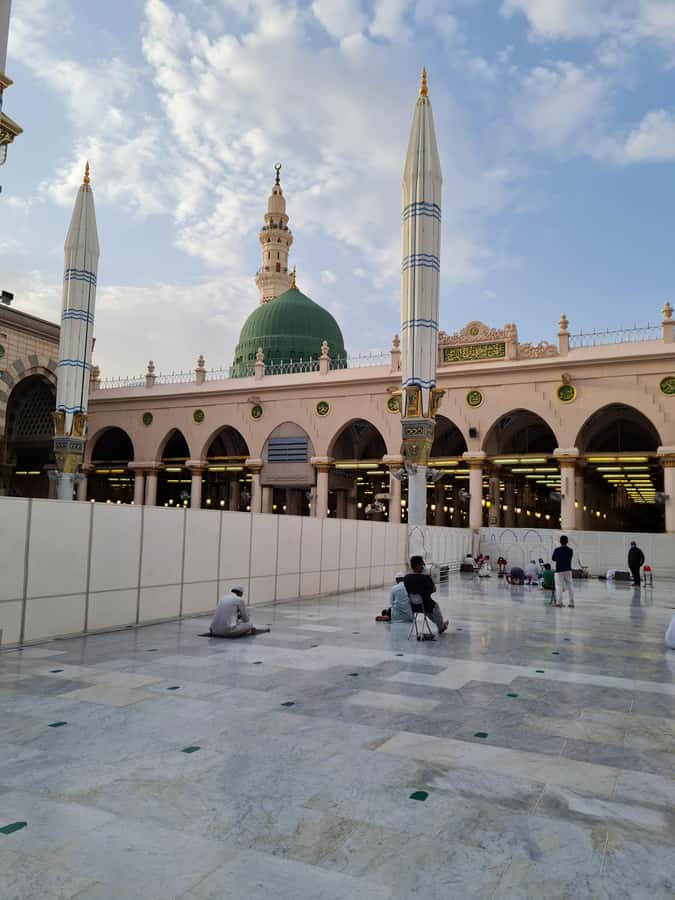
The route passes by Al Masjid an Nabawi, and it is part of the overall tour flow, but the listed mosque visits focus on Masjid Imam Bukhari and other specific sites.
Is it acceptable for non Muslims to join?
The information says it is for non Muslims as well, but you must follow holy-city expectations, including covering your hair with a cloth or hijab.
What should women wear if they do not have an abaya?
The guidance says that if you wear shorts, tights, or jeans and T-shirts, then you should wear an abaya. If you do not have one, you can buy one from a shop, and it’s described as not expensive.
What should men avoid wearing?
Men should wear decent cloths and avoid shorts.
Are there any restrictions while on the tour?
Smoking is not allowed. Shorts, short skirts, and see-through clothing are not allowed. Alcoholic drinks in the vehicle are also not allowed.
Is water provided during the tour?
Water is listed as something to bring. The information also notes that some time water might not be available to drink due to maintenance work at wells.
Is this tour suitable for pregnant women or older adults?
It is not suitable for pregnant women, and it is not suitable for people over 70 years.
Just added around Medina
- Medina Ziyarats ( Visit Holy Places)★ 4.2 · 4 reviews
- Half – Day Tour in Prophet Mohammed City★ 5.0 · 4 reviews
- Prophet Biography Tour of Madinah★ 4.6 · 5 reviews
- 1 Hour Private Horse Riding in Madinah★ 4.0 · 5 reviews
- Prophet’s Mosque Walking Tour with Historic Hejaz Railway★ 4.7 · 4 reviews
- Madinah Ziyarats (Private tour)★ 3.5 · 26 reviews
- 4WD Adventure in Uhud Mountain★ 4.5 · 29 reviews
- City Sightseeing Al Madinah Hop-On Hop-Off Bus Tour★ 3.0 · 50 reviews
Hegra & Heritage Tours, compared.

Red Sand Adventure 4×4 (Camel Ride ,Quad Biking, Heritage House)
Read our review →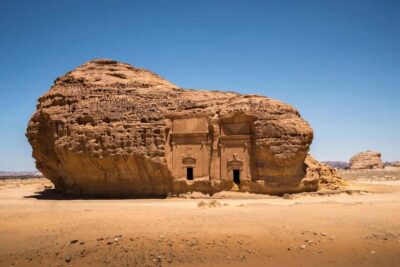
Visiting The Incredible Heritage Site Hegra in AlUla
Read our review →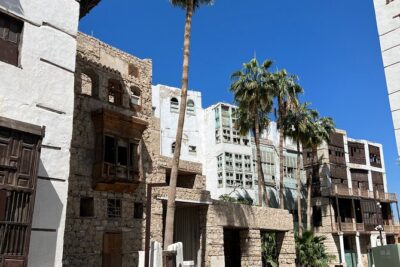
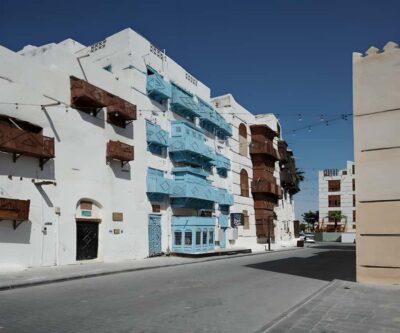

Private Tour in Historical Jeddah (ALBALAD) إكتشف جدة التاريخيه
Read our review →Browse the lists this tour appears in