
Reviewed · OLD TOWN & AL BALAD WALKS
Al-Ula: Old Town, Hegra, and Elephant Rock Day Tour
This day tour works because it strings together three very different sides of Al-Ula in one loop: street life in the 800-year-old AlUla Old Town, the deep-time drama of Nabataean history at Hegra, and the big-sky photo moment of Elephant Rock at sunset. I love how the day feels like time travel, from mud-brick lanes and historic mosques to carved rock tombs out in the desert.
I also love the payoff at Elephant Rock, where the sandstone formation looks almost too sculpted by nature. One consideration: you will walk a fair bit on uneven ground in a hot, sunny environment, so if you have mobility limits you may want to rethink it, even with a guided pace.
Key highlights worth planning for
- 800-year-old AlUla Old Town lanes with mud-brick houses, narrow alleys, and historic mosques
- Oases fed by ancient irrigation systems, still supporting date palms, citrus trees, and aromatic herbs
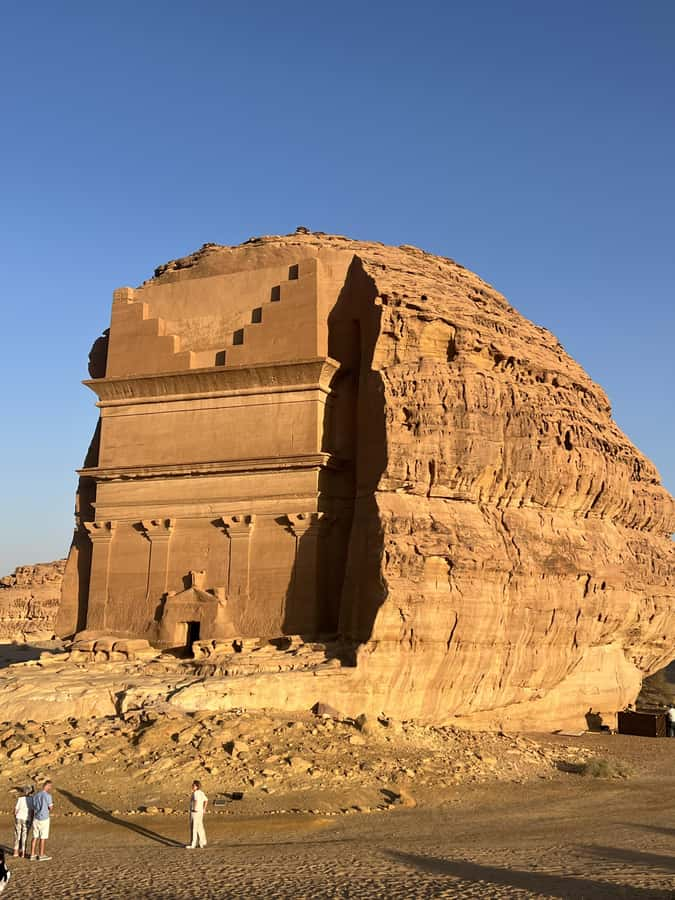
- Hegra UNESCO World Heritage with Nabataean rock-cut tombs, carvings, and inscriptions
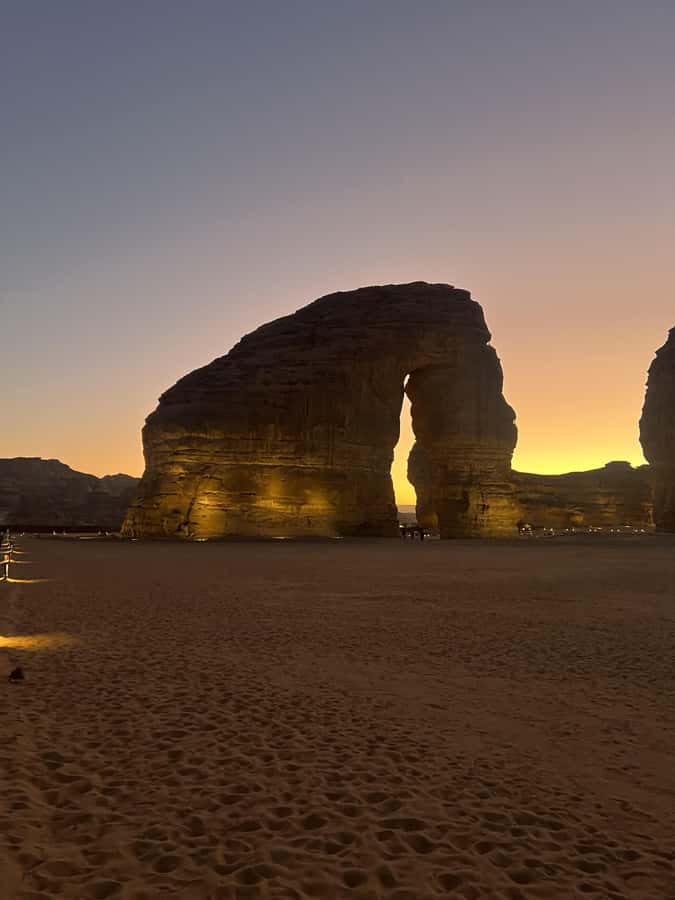
- Elephant Rock at sunset, a towering sandstone formation shaped like an elephant with an arching trunk
- Guides who set a comfortable rhythm, including Hatim, Mohamed Al Bokhari, and Rasha
- Roundtrip transportation plus snacks, so your day stays simple and energy-friendly
A 6-hour loop that covers the main Al-Ula wow-factors
At 6 hours, this tour is designed to hit the highlights without turning your day into a marathon. You start with pickup in AlUla and then move through the big names: AlUla Old Town, the oases, Hegra, and finally Elephant Rock. The order matters, because it helps you go from human-scale history (old neighborhoods and mosques), to landscape-scale survival (oases), to stone-scale history (tombs and inscriptions), and then to the geology spectacle of Elephant Rock.
You are not just going from place to place. A good guide helps you connect the dots, like why pilgrims would have stopped here long ago, or how trade routes made Hegra important. If you like archaeology, desert history, and great photos in one tidy package, this tour hits that sweet spot.
Practical note: you are outdoors for much of the day, so heat and sun planning is not optional. Bring water, a hat, and sunscreen, and wear shoes that can handle walking without drama.
Shaping a AlUla stay? Look these over:
- Visiting The Incredible Heritage Site Hegra in AlUla
★ 4.6 · 93 reviews - Hegra Al Ula: Sunrise Hot Air Balloon Flight
★ 4.6 · 43 reviews - Al Ula: Dadan and Jabal Ikmah Tombs Guided Tour
★ 4.2 · 26 reviews
Entering the 800-year-old AlUla Old Town maze
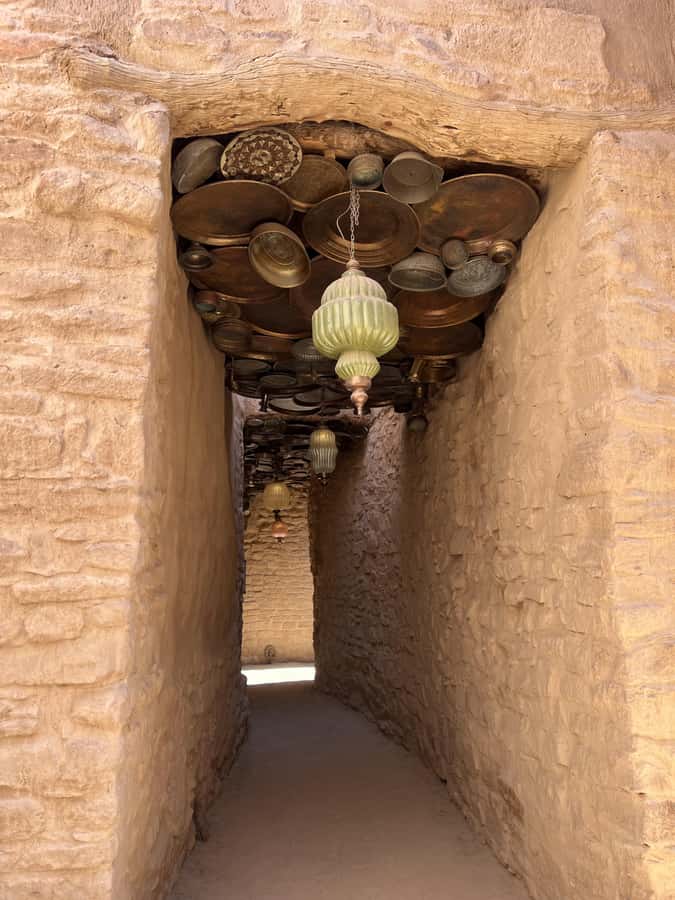
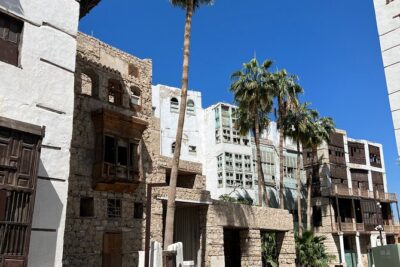
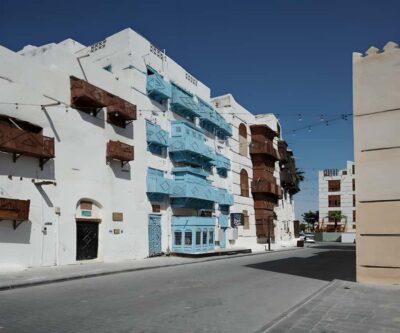
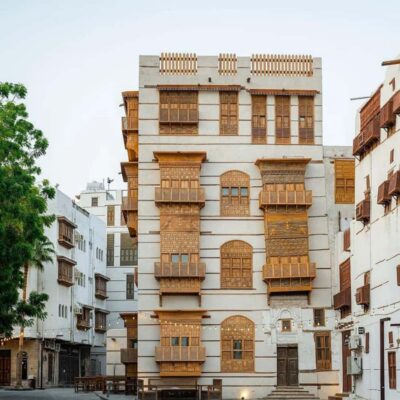
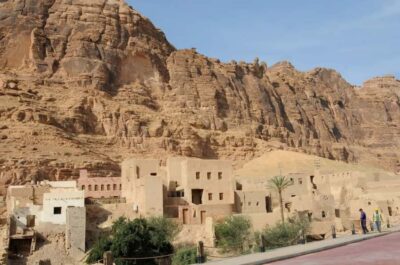
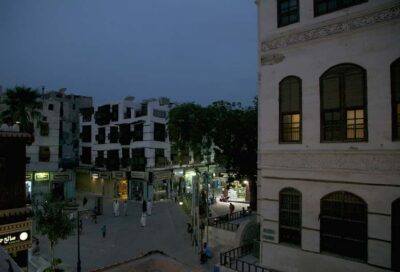
The Old Town is the closest thing in this tour to a lived-in museum. You will wander through a maze of mud-brick houses, narrow alleys, and historic mosques. The vibe is not polished or staged. It feels like you are stepping into an older rhythm, where everything is built for shade, close distances, and daily life.
What I like here is the scale of the place. AlUla Old Town once supported nearly 900 homes and about 400 shops, which gives you a quick reality check. This was not a tiny village. It was a working hub, one that flourished as a key stop for pilgrims traveling to Mecca.
As you walk, look for the way the streets guide your eyes. Narrow corridors can make the architecture feel tighter and more intimate, and that helps you notice details you might otherwise miss. Also, keep an eye on your posture around mosques. Dress modestly and move respectfully, since this is still a religious landscape in a working country.
A small downside: the Old Town is charming, but it is still a place built for walkability and closeness, not for easy mobility. If you need flat, barrier-free paths, this section may feel tough.
Al-Ula oases: where desert farming has a long memory
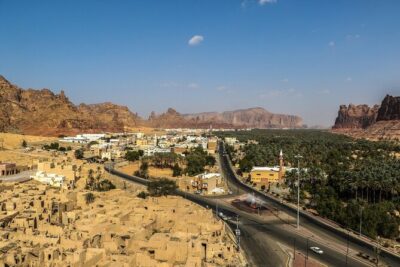
After the Old Town, the tour shifts to the part of Al-Ula that feels almost magical in the desert. The oases are lush, supported by ancient irrigation systems and natural springs. This is not just scenery. It is how civilizations survived here for thousands of years.
When you are standing among the date palms and citrus trees, try to connect the environment to the human story. Ancient irrigation was the difference between living with the desert and being swallowed by it. You might also spot aromatic herbs, which adds another layer to the experience, since smell is a memory-maker.
If you like travel that is more than sightseeing, this is where you get that. You learn why oases were political and economic assets, not just pleasant green spaces. That context then makes Hegra feel even more meaningful, because trade routes and water access always move together in dry regions.
Tip for your comfort: oasis areas can offer better shade than open desert routes, but the sun can still hit hard. Take your breaks where shade exists and keep drinking water, even if you do not feel thirsty yet.
Hegra UNESCO site and Nabataean tombs you can actually read
Hegra is the UNESCO-listed heart of the day for anyone who likes ancient civilizations and stonework. It is often described as the second-largest city of the Nabataean Kingdom after Petra, and that comparison matters. It helps you understand that this is not a single monument site. It is a settlement and a landscape full of history.
You will explore rock-cut tombs, intricate carvings, and ancient inscriptions. Standing near these tombs, you can see how Nabataeans turned cliffs and rock faces into lasting records. The carvings and inscriptions are the kind of details a guide can help you interpret, because without context they can blur together.
One of the strongest parts of Hegra is the mix of monumental and everyday remnants. You may also see ancient wells and dwelling ruins, which connect the tombs to the people who lived, worked, and controlled trade routes. This is where history becomes more believable. Tombs alone can feel distant. Tombs plus wells and ruins tell you how a city functioned.
A practical consideration: Hegra involves walking and looking up, which can strain neck and legs if you push too fast. I like a guide who slows the group down at key stops so you can actually take in inscriptions and carvings, instead of racing from one viewpoint to the next.
When the AlUla heat drops, try this:
- AlUla: Discover AlUla Like a Local Guided Tour
★ 5.0 · 25 reviews - From AlUla: Hegra Tour
★ 3.9 · 25 reviews - Alula Full Day Tour
★ 4.5 · 22 reviews - AlUla: Hegra, Dadan and Ikmah Highlights Tour
★ 2.8 · 22 reviews
Elephant Rock sunset: the sandstone elephant moment
Elephant Rock is the tour’s closing wow-factor. It is a towering sandstone formation sculpted by nature over millions of years, shaped like an elephant with an arching trunk. You will reach it near sunset, and that timing changes everything. Light shifts the rock’s colors, and the desert background makes the silhouette feel even more dramatic.
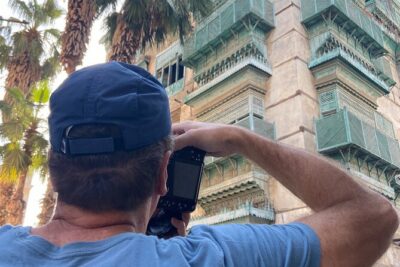
If you care about photos, treat this as your best chance of the day. Arrive ready with your phone or camera settings, and plan to take a few shots from different angles. The arching trunk shape is the signature feature, so search for perspectives that frame it without background clutter.
My advice is also simple: stop and look with your own eyes first. Then take photos. It can feel like a cliché, but Elephant Rock really does reward attention. The way the desert light wraps around sandstone is part of the show, not just the subject.
One note on comfort: sunset can still be chilly near deserts at times, but the day can be hot. Wear layers you can manage, and keep your water plan intact earlier in the day so you are not scrambling at the end.
Guides set the tone, and the best ones handle pace
This tour rises or falls on guide quality, and the experience is clearly improved when your guide respects your group’s tempo. I love when a guide explains without rushing, because Hegra and the Old Town both need time to absorb. If you feel like you are being hurried, you miss details.
You might meet different guides, and names like Hatim, Mohamed Al Bokhari, and Rasha come up often for good reason. Hatim is described as excellent and helpful, with a pace that matches the rhythm of guests rather than forcing everyone to sprint. Mohamed Al Bokhari is praised for being smart, pleasant, and prepared, and the Old Town visit in the morning is highlighted as especially fascinating. Rasha stands out for clear, engaging explanations, punctual timing, attentive behavior, and even humor that makes the long day feel lighter.
What does that mean for you? Ask yourself whether you want a checklist tour or a guided story. This tour works best when you lean into the guide, ask questions, and give yourself permission to slow down at key stops.
Also, the tour is guided in Arabic and English. If you are English-speaking, you will still benefit from the structure and pacing, and if you want more context, ask follow-up questions. Even a short clarification can turn a tomb inscription from decoration into something you actually understand.
Price and value: is $199 per person worth it?
At $199 per person for a 6-hour day, you are paying for a guided route that connects multiple major sites: AlUla Old Town, oases, Hegra UNESCO, and Elephant Rock. You also get roundtrip transportation and snacks included. That matters because it removes the friction of figuring out logistics between sites in a desert region.
Here is the balanced way to judge the price. If you would otherwise spend time arranging transportation, buying snacks, and hiring separate guides for Hegra and Old Town, $199 starts looking like a fair “one-stop” deal. If you already plan to visit all these places independently and you are very comfortable navigating on your own, the value may feel less compelling.
What tips the scale in favor of booking is the guide component. Hegra in particular can feel like a lot of stone unless someone helps you interpret what you are seeing, including carvings and inscriptions. With the right guide, you get more than photos. You get understanding.
My practical rule: if your goal is to do the highlights without wasting daylight on logistics, this price is reasonable.
What to pack and what rules you must follow
This is one of those tours where a few small choices make the day smoother. Dress modestly to respect local customs. Comfortable walking shoes are a must, because you will be moving through old lanes and historical areas. Bring a hat and sunscreen, and carry water.
Photography is allowed, but be mindful of local sensitivities. That is the polite, common-sense version of “don’t be a distraction.” Also, note the restrictions: smoking is not allowed, and alcohol and drugs are not allowed. Littering is also not allowed, so pack out what you bring.
Snacks are included, which is helpful. Still, I recommend you treat snacks as backup, not your main fuel plan, especially if you tend to get hungry when walking.
Who should book this day tour, and who should reconsider
This tour is a great fit for you if you want one guided day that covers AlUla’s core experiences in a single route. It is ideal for history lovers who like Nabataean architecture, for people who enjoy desert landscapes with real human context, and for photographers who want a controlled chance at Elephant Rock sunset.
It may be a poor fit if you have mobility impairments or use a wheelchair. The tour specifically notes it is not suitable for wheelchair users and people with mobility impairments. The reason is not hard to guess: old lanes, uneven ground, and open desert walking are tough to make accessible in a short day.
If you are sensitive to heat, plan carefully. You cannot control the sun, but you can control your preparation. Water, shade breaks, and pacing matter.
And if you enjoy a guide who sets a calm pace, this tour tends to deliver. The best guides adjust to the group and do not run the program like a race.
Should you book this AlUla Old Town, Hegra, and Elephant Rock tour?
My honest take: book this tour if you want a structured day that connects the dots between AlUla’s old neighborhoods, the oasis survival story, Nabataean rock-cut tombs at Hegra, and the sunset spectacle of Elephant Rock. The included transportation and snacks reduce stress, and the guided explanation tends to be the difference between seeing sites and understanding them.
Skip it, or at least ask more questions first, if mobility is a concern for you. Also, if you hate walking in heat and you cannot reliably manage sun protection, you may find the day fatiguing.
If your travel style is practical, curious, and photo-ready, this one makes sense.
FAQ
Where does pickup and drop-off happen?
Pickup and drop-off both happen in AlUla.
How long is the Al-Ula Old Town, Hegra, and Elephant Rock day tour?
The duration is 6 hours.
How much does the tour cost?
The price is $199 per person.
What is included in the price?
It includes roundtrip transportation and snacks.
What languages is the live guide available in?
The live tour guide is available in Arabic and English.
Is photography allowed?
Yes, photography is allowed, but you should respect local sensitivities.
Are smoking, alcohol, or drugs allowed?
No. Smoking is not allowed, and alcohol and drugs are not allowed.
What should I wear or bring?
Dress modestly, wear comfortable walking shoes, and bring a hat and sunscreen. You should also carry water to stay hydrated.
Is the tour suitable for wheelchair users or people with mobility impairments?
No. It is not suitable for wheelchair users or people with mobility impairments.
Just added around AlUla
- Coffee and Tea Party in Aljadidah★ 3.5 · 3 reviews
- Journey Through Time Hike★ 4.0 · 5 reviews
- Oasis Adventure in Alula★ 4.2 · 6 reviews
- AlUla Old Town Experience★ 5.0 · 6 reviews
- From AlUla: Hegra, Dadan and Ikmah Highlights Tours★ 1.3 · 4 reviews
- From Al-Ula: Dadan and Jabal Ikmah Audio tour★ 2.6 · 4 reviews
- AlUla: Sharaan Nature Reserve★ 5.0 · 4 reviews
- Al-Ula: Dadan & Jabal Ikmah Tour with Optional Pickup★ 3.8 · 4 reviews
Old Town & Al Balad Walks, compared.

Browse the lists this tour appears in