Saudi Arabia, edge first.
Which Edge of the World convoy earns its sunset. How Hegra actually lets you in. When Al Balad’s coral houses open their doors. Every tour in the kingdom, reviewed one by one.
One cliff, one necropolis, one coral-stone town.
Plenty of places have dunes and skylines. The Edge of the World, Hegra and Al Balad are the three bookings that could only be Saudi Arabia.
The Edge of the World
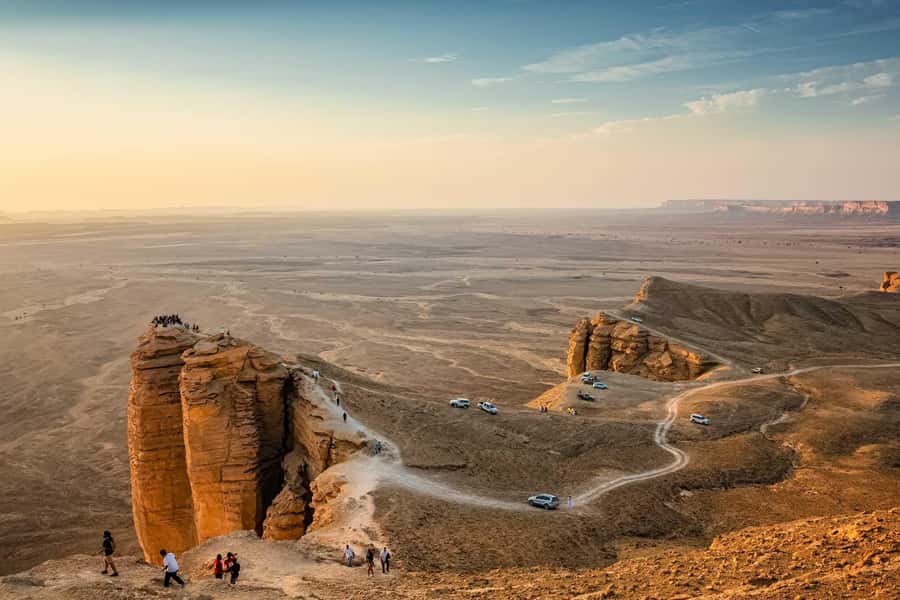
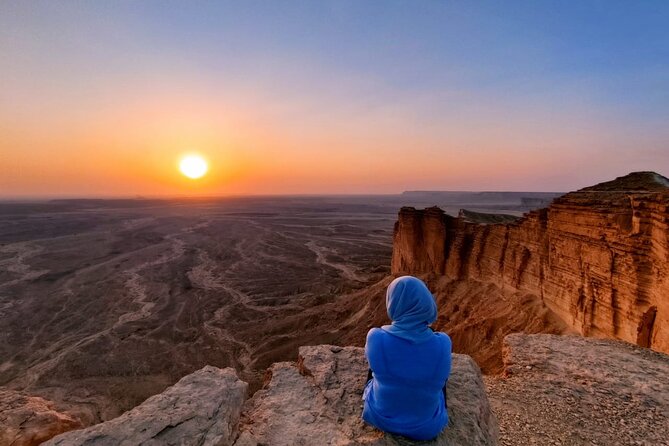
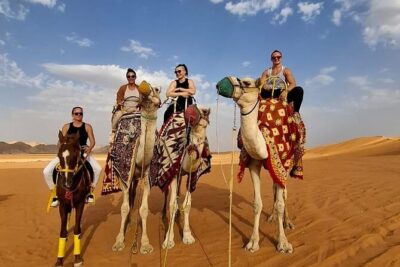
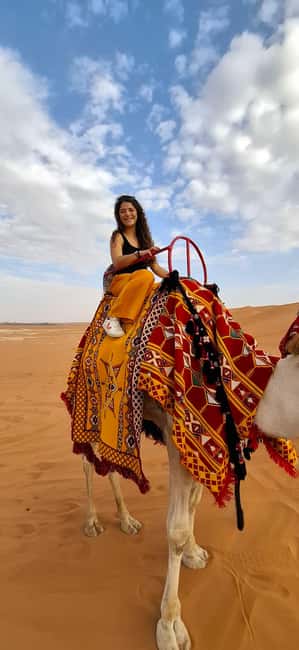
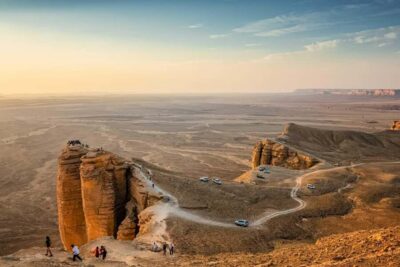
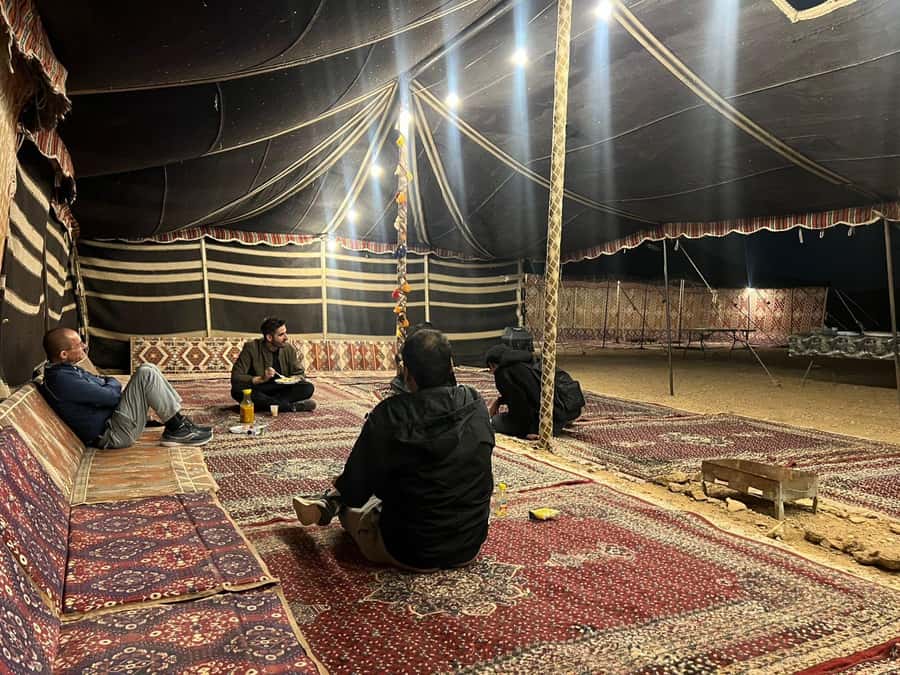
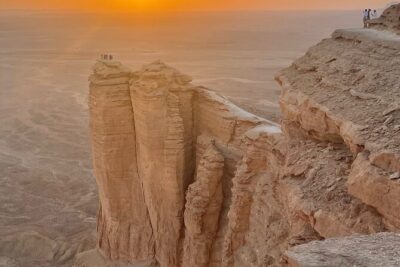
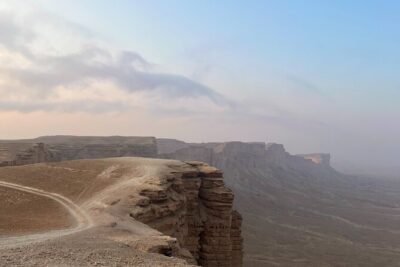
Jebel Fihrayn, a 4x4 hour and a half northwest of Riyadh, is where the Tuwaiq escarpment stops pretending to be a hill and drops clean away to the old caravan floor. No fence, no gift shop: a desert track, a kettle at sunset and a horizon that curves. Most runs bundle the bat cave, a camel stop and dinner under the stars.
- 1Edge Of The World, camels &Stargazing with 4×4★★★★★★★★★★ 4.7 · 1,050 reviews
- 2Edge of The World Riyadh with Camel Ride ,Bat Cave Visit & Dinner★★★★★★★★★★ 5.0 · 778 reviews
- 3Edge Of The World Hike(Dinner under stars,village,bats cave,camp)★★★★★★★★★★ 4.5 · 675 reviews
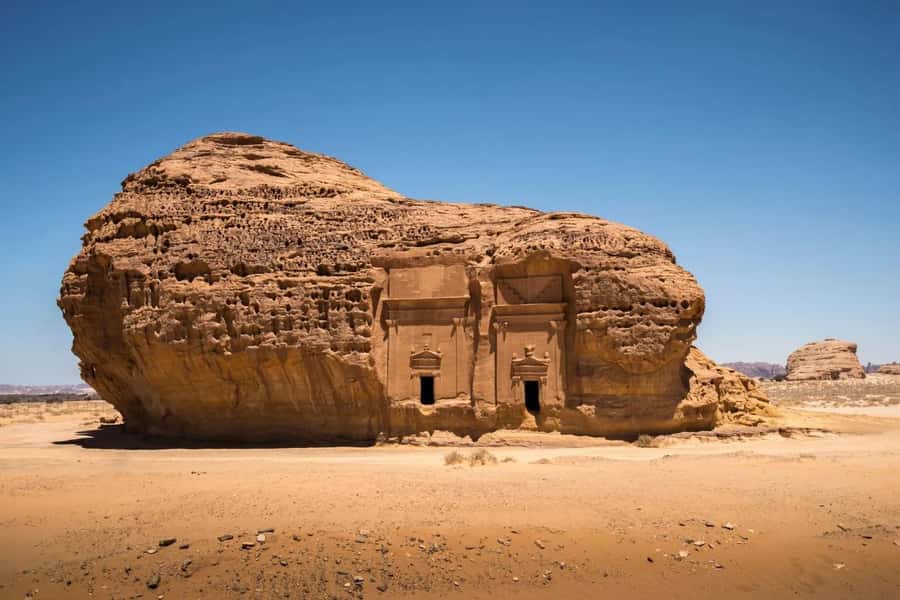
Hegra’s tombs
The Nabataeans who built Petra carved their southern capital at Hegra, and more than a hundred monumental tombs still stand alone in open desert. It became Saudi Arabia’s first UNESCO World Heritage site in 2008, and it is visited the deliberate way: guided, timed and unhurried, with Dadan and the inscriptions of Jabal Ikmah up the same valley.
- 1Visiting The Incredible Heritage Site Hegra in AlUla★★★★★★★★★★ 4.6 · 93 reviews
- 2Hegra Al Ula: Sunrise Hot Air Balloon Flight★★★★★★★★★★ 4.6 · 43 reviews
- 3Dadan and Jabal Ikmah Tombs Guided Tour★★★★★★★★★★ 4.2 · 26 reviews
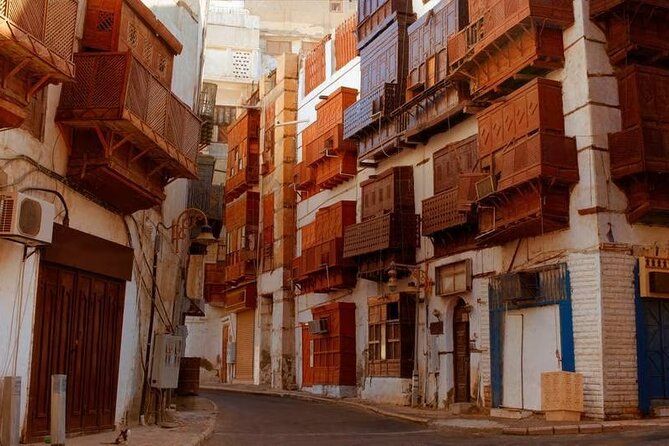
Al Balad, Jeddah
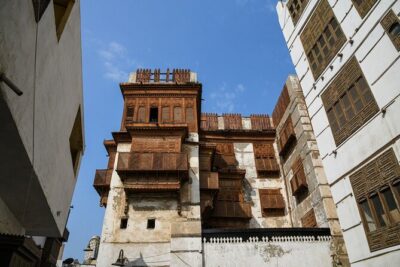
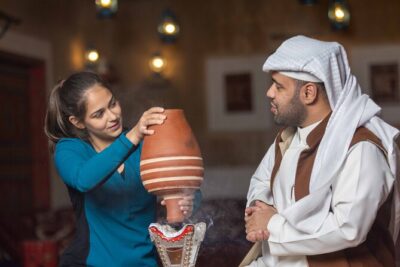
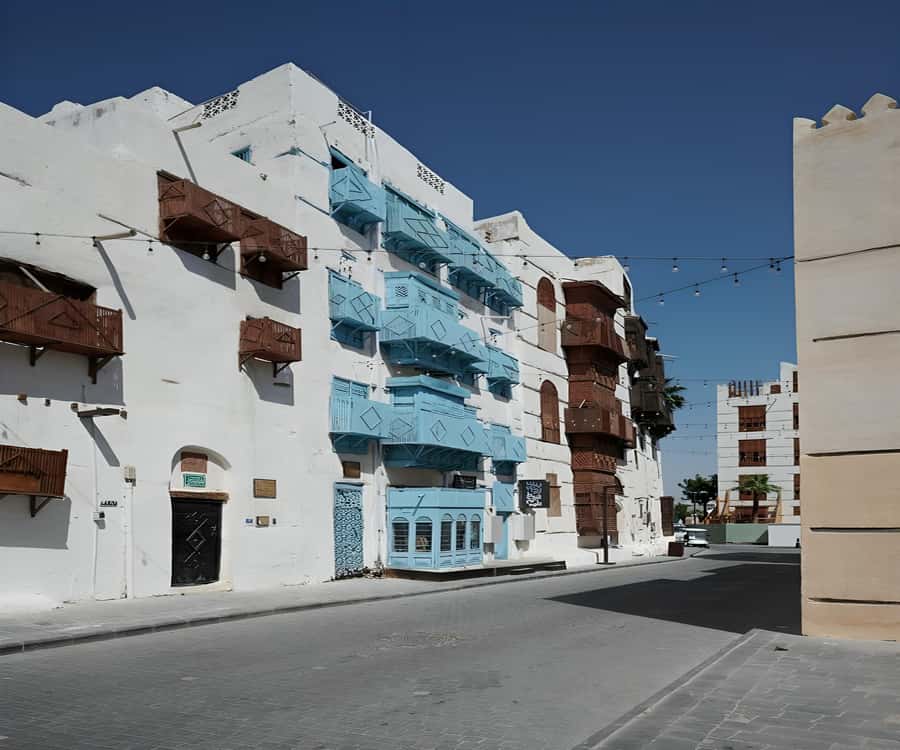
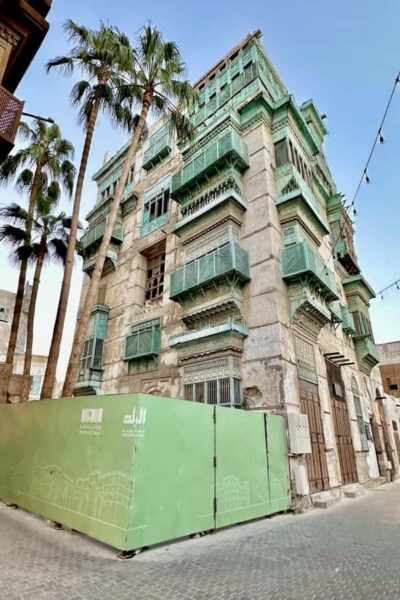
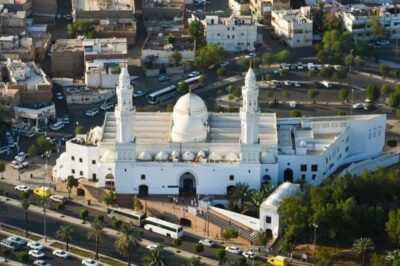
Jeddah’s old town is built from Red Sea coral stone, its tower houses hung with the carved wooden rawashin balconies that did the air-conditioning for four centuries. UNESCO listed it in 2014, and families still live and trade inside it. Walk it late in the day, when the lanes cool and the incense sellers open.
- 1Historical & Heritage Tour in Jeddah Al Balad★★★★★★★★★★ 5.0 · 57 reviews
- 2Al-Balad Old Town Historical City Guided Tour★★★★★★★★★★ 5.0 · 47 reviews
- 3Al-Balad Old Town Tour with Guide★★★★★★★★★★ 4.7 · 43 reviews
Cliff edge at sunset, or tombs at first light?
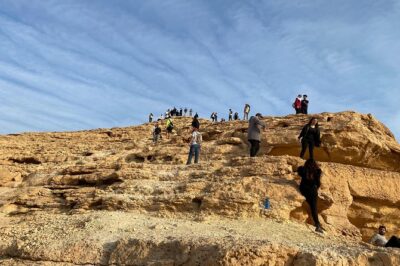
The cliff edge at golden hour
Convoys leave Riyadh after lunch, take the desert track past the acacia flats, and put you on the rim while the light goes long. Dinner and stargazing ride along on most runs.
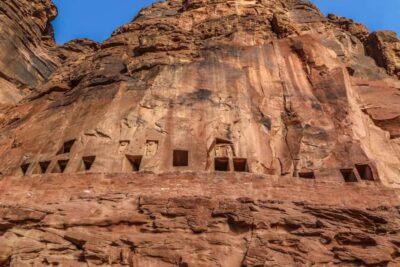
Hegra and Dadan before the heat
AlUla mornings belong to the tombs: Hegra’s carved facades at opening time, then Dadan and the inscription wall at Jabal Ikmah while the valley is still cool.
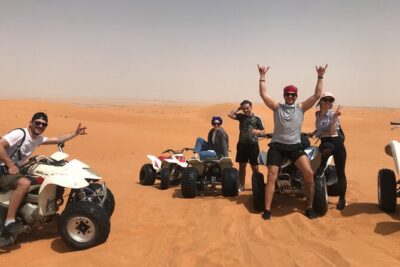
A dune morning near Riyadh
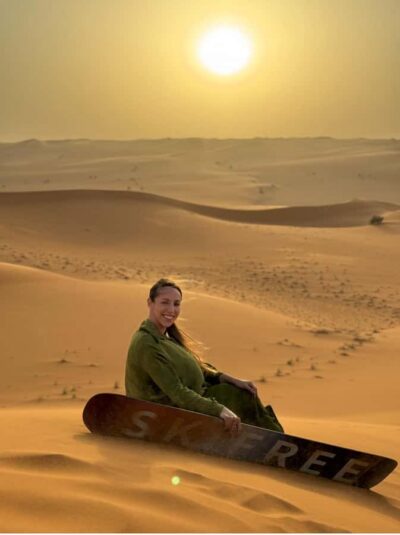
Al Thumamah’s dunes run genuinely red and sit close enough to Riyadh for a half day: quad bikes over the crests, a camel loop, sweet tea before the drive back.
Book the cliff, the tombs and the red sand first.
The Edge of the World, Hegra’s facades, a dune morning, Al Balad’s coral lanes: the handful of days a first Saudi trip gets planned around, and the best way to book each.
The Najd shows off once the sun lets go.
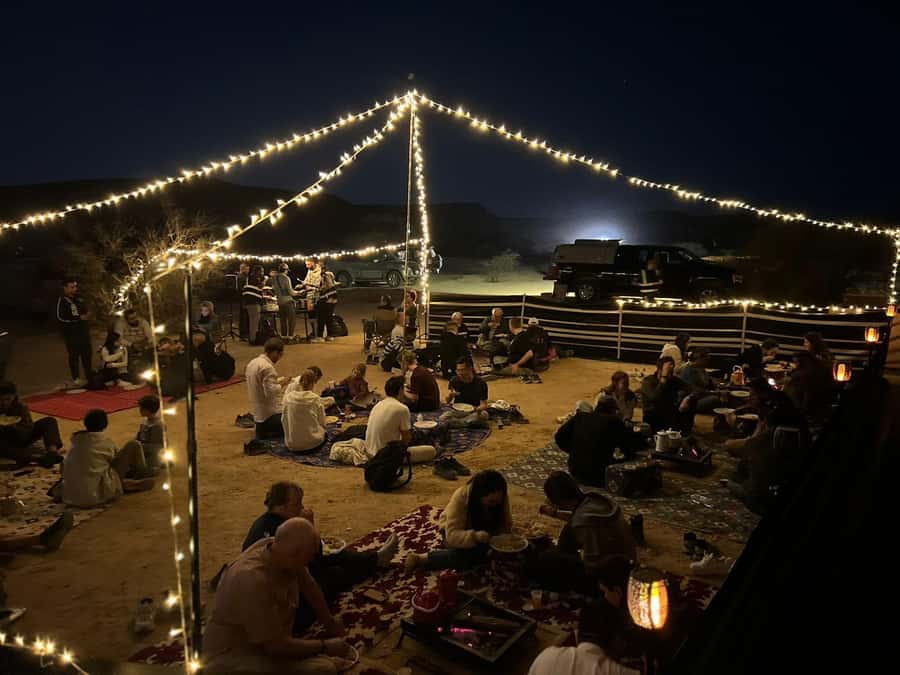
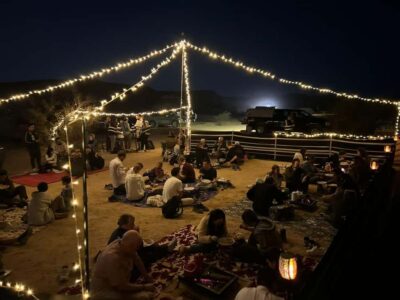
Camps north of Riyadh light their lanterns at maghrib: the dune drives roll home, the grills start, and the sky over the escarpment does the rest. Book the evening run, not the midday one.
What everyone books first in Saudi Arabia.
Every review →Half of this list is the Edge of the World in different moods, and it earns the repetition. The rest is where the kingdom’s other days begin.
 1
1
Edge Of The World, camels &Stargazing with 4×4
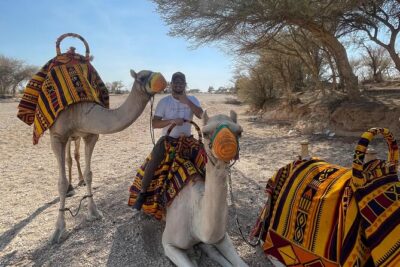
4x4 hike to Riyadh’s Edge of the World for sunset, camel and gazelle stops, then stargazing with camp dinner. 6 to 7 hours.
From · $53
Read our review →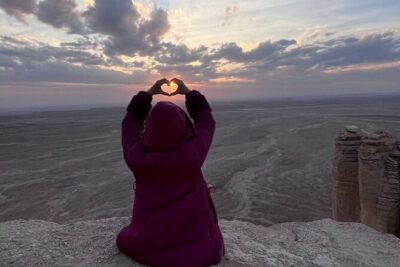 2
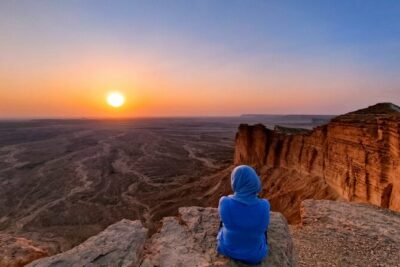
Edge of The World Riyadh with Camel Ride ,Bat Cave Visit & Dinner
from $60
2
Edge of The World Riyadh with Camel Ride ,Bat Cave Visit & Dinner
from $60
 3
Edge Of The World Hike(Dinner under stars,village,bats cave,camp)
from $55
4
Edge of the World with 4×4 vehicles, sunset Dinner and stargazing
from $46
3
Edge Of The World Hike(Dinner under stars,village,bats cave,camp)
from $55
4
Edge of the World with 4×4 vehicles, sunset Dinner and stargazing
from $46
 5
Edge Of The World and Bats Cave Tour by 4×4
from $45
5
Edge Of The World and Bats Cave Tour by 4×4
from $45
 6
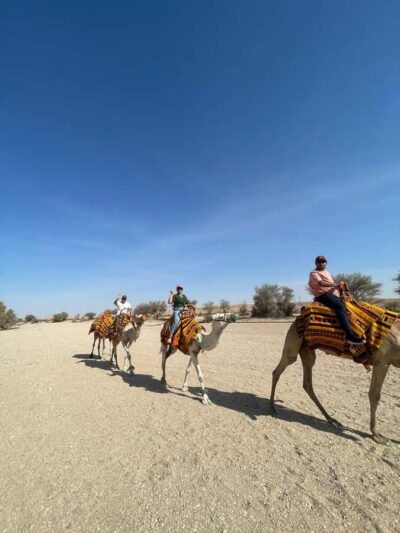
Edge of The World Riyadh,Camel Ride ,Bat Cave Visit & Dinner
from $60
6
Edge of The World Riyadh,Camel Ride ,Bat Cave Visit & Dinner
from $60
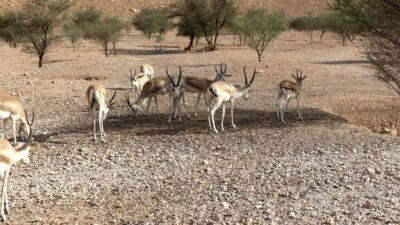 7
Riyadh Sunset Edge of the World & Deer Reserve 4WD Adventure
from $48
7
Riyadh Sunset Edge of the World & Deer Reserve 4WD Adventure
from $48
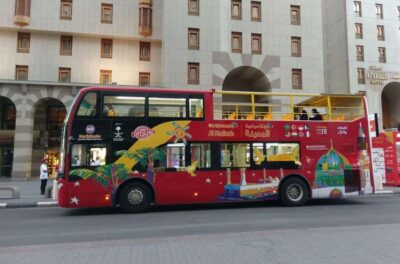 8
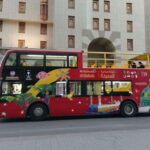
City Sightseeing Hop-On Hop-Off Bus Tour
from $22
8
City Sightseeing Hop-On Hop-Off Bus Tour
from $22
Riyadh keeps the desert on its doorstep.
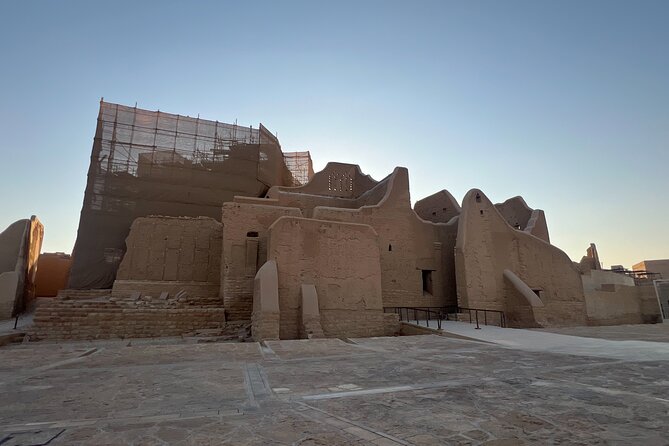
Diriyah’s mud-brick walls, the red sand at Al Thumamah, the Edge of the World at the end of a 4x4 track: the capital’s best days all start on its ring road.
What a day out in Saudi Arabia costs.
The whole catalogue, arranged by price tag. A good kingdom day starts at taxi money and tops out at a balloon.
Hop-on bus loops, Hegra’s guided entry runs and the value Edge of the World convoys.
Al Balad with a guide, red-dune mornings, private city days in Riyadh and Jeddah.
Balloon dawns over AlUla, private full days and the once-a-trip charters.
Jeddah answers to the sea and the old town.
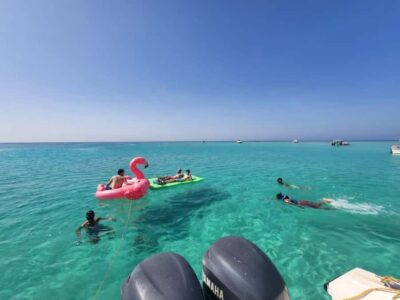
Boat days idle on turquoise water off the corniche while Al Balad’s coral houses hold the evening. Do the water in the morning, the lanes after asr prayer, dinner where the incense hangs.
- 1Bayada Leisure Boat Trip with Snorkelingfrom $99
- 2Historical & Heritage Tour in Jeddah Al Baladfrom $109
- 3Historic District Tour in Jeddah by a Local Guidefrom $127
Four Saudi plans you cannot make on arrival.
Most of the kingdom books happily from your hotel the night before. These four do not: they run on convoys, timed gates, dawn weather and lines on a map that deserve respect.
- 01Edge Of The World, camels &Stargazing with 4×4There is no paved road and no walking in: seats go with the 4x4 convoys, and the sunset departures fill first.
- 02Visiting The Incredible Heritage Site Hegra in AlUlaHegra is visited by guided vehicle tour on timed entry. You cannot drive up to the tombs on your own.
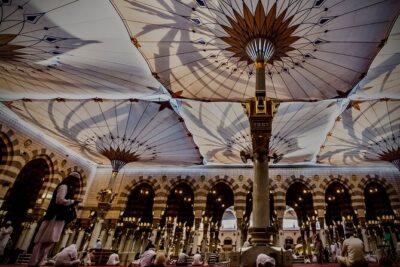
- 03Half-Day Ziarah TourThe central mosque precinct in Medina is open to Muslim visitors only. Tours plan around that line honestly, so check the route matches your group before you book.
- 04Hegra Al Ula: Sunrise Hot Air Balloon FlightAlUla’s balloons fly at first light and a morning’s weather can scrub the flight. Put it early in the stay, so a cancelled dawn can rebook.
Saudi summer is a timetable, not a deal-breaker.
From June to September the middle of the day belongs to air-conditioning, and the tours already know it: dune runs slide to dawn and dusk, Al Balad walks start late, and the desert camps do their best work after dark. Plan around the clock, not against it.
By city — Riyadh to AlUla
 Riyadh71 tours
 Jeddah46 tours
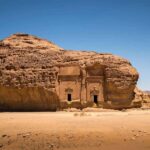 AlUla25 tours
 Medina14 tours
- All 168 tour reviews →
Riyadh to the Red Sea, one honest week.
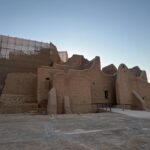 Riyadh
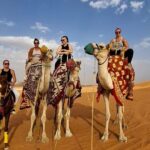 Red dunes
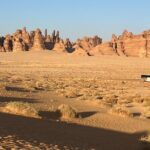 AlUla
AlUla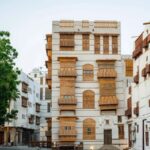 Al Balad
The latest Saudi Arabia tour reviews.
Everything recent →
Jeddah Airport to Medina Hotel Private Arrival Transfer
Read our review →
Historic District Tour by a Local licensed Guide
Read our review →
Explore Edge of The World in a Private Trip with Saudi Dinner
Read our review →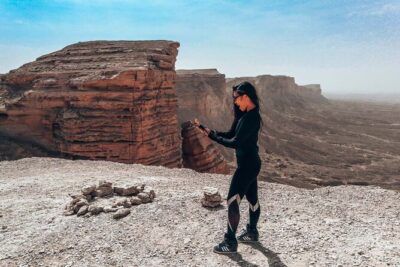
Edge of the World and Huraymila National Park Tour
Read our review →